
Backpacks, Buses, and Big Feelings: Easing the Transition for Your Dog
New Routines, Big Feelings: Helping Your Dog (and Your Family) Adjust to Back-to-School Season
It happens every year. One minute your house is buzzing with summer energy; late mornings, fun adventures, backyard games, kids sharing snacks with the dog, and then, suddenly, it’s quiet. Too quiet.
The backpacks go by the door. The school bus starts its daily loop. And your dog? They’re left wondering what just happened to their people.
Back-to-school season brings big shifts for everyone in the household, but especially for your dog, who likely had full days of companionship, play, and fun-filled moments. These changes can be confusing and even stressful, especially for dogs that thrive on routine and connection.
But the good news? With a little planning, empathy, and structure, your whole family (including the furry members) can make this transition smoother.
Your Dog Doesn’t Understand “School Hours”
To your dog, all they know is: their favorite people were here all summer… and now they’re not. That kind of sudden change can lead to:
- Whining or pacing after you leave
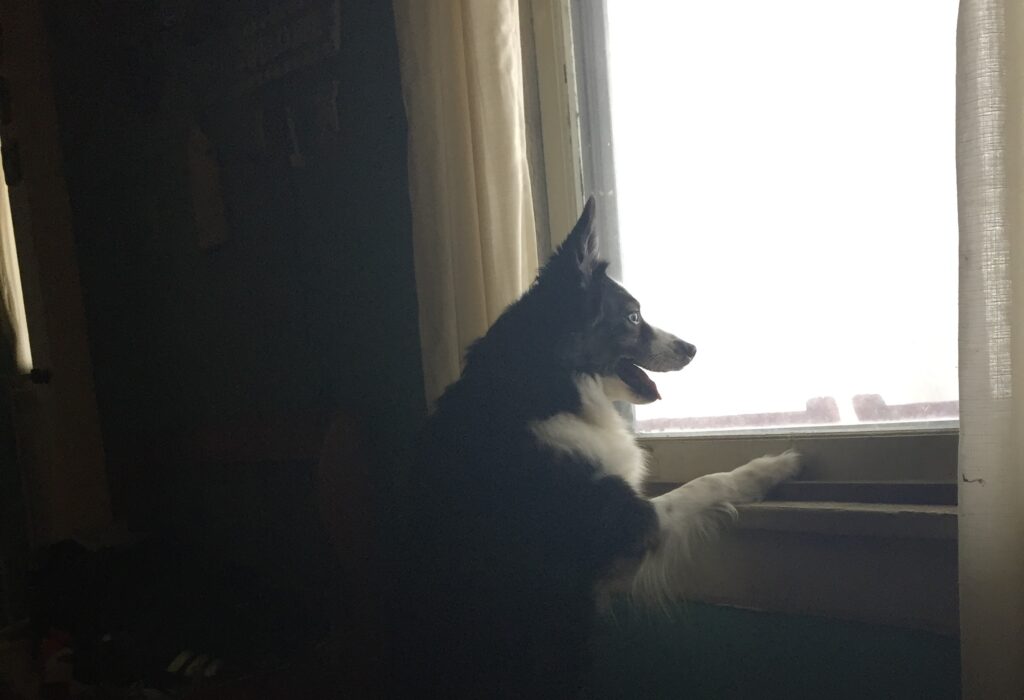
- Waiting at the door or windows all day
- Loss of appetite or energy
- Even chewing, barking, or accidents in the house
It’s not disobedience, it’s confusion and anxiety. This is where patience and preparation go a long way.

Establish a New Routine—for Everyone
Dogs, just like kids, do best with consistency. When school starts, the whole household schedule shifts, so try building a daily rhythm that your dog can count on.
Even better? Start the new routine a week or two before school begins. This gives your dog and your children a chance to adjust gradually, helping to ease the transition for everyone involved.
Here’s a sample structure that works well:
- Morning enrichment: A sniffy walk, puzzle toy, or short training game
- Predictable departure: A calm goodbye routine (not drawn out, not rushed)
- Afternoon connection: When the kids get home, encourage them to include the dog in their decompress time by some outside play, cuddles, or helping with dinner
- Evening wind-down: A walk, quiet time, or some focused training time together
When your dog sees patterns forming, they’ll settle in faster and may even start looking forward to certain moments in the day.
A Quick Story From the Front Door
I’ll never forget how Lucy used to react to the school bus. The second she heard it coming down the street, she'd race to the front door with her wiggle butt in full swing and sometimes letting out a few excited barks. She knew her boys were about to walk in, and that moment, it was everything to her.
Not all dogs adjust so easily. Bourbon, for example, needs a little more support when routines change. He thrives on structure and clear expectations. It’s helped remind me that every dog, like every kid, needs something a little different to feel secure.
This Is the Perfect Season for Fall Training
One of the best things you can do to support your dog during this transition is give them something of their own to focus on.
Fall classes are the perfect outlet:
- They provide structure during a season full of change
- They offer socialization and problem-solving practice
- And most importantly, they strengthen the bond between you and your dog, right when they need it most
Whether your dog is learning how to walk calmly on leash or just needs a confidence boost after a summer of go-go-go, training builds trust, focus, and resilience.
Consider making training an after-school activity—one your kids can take part in, too. Having your child attend class with the dog gives them something to look forward to together, and it becomes a shared routine that builds confidence, connection, and a sense of responsibility. It’s a fun, productive way for kids and dogs to unwind and grow as a team during the school year.
One Last Thought
Change is hard, on humans and dogs. But with intention and empathy, your family can navigate this season with more connection, more calm, and maybe even more tail wags than you expected.
If your dog’s having a tough time adjusting, you’re not doing anything wrong. You’re just in a new chapter. And like always, we’re here to help you write it well.
Ready to enroll in a fall class?
- 📞 Call us at 570-872-9748 for guidance
- 🐾 Visit us in Stroudsburg for a facility tour
- 🐾 Reserve your spot - Schedule Your Training Class - Sit Stay 'n Play
Let’s make this school year one where everyone grows, even your sweet pup
